
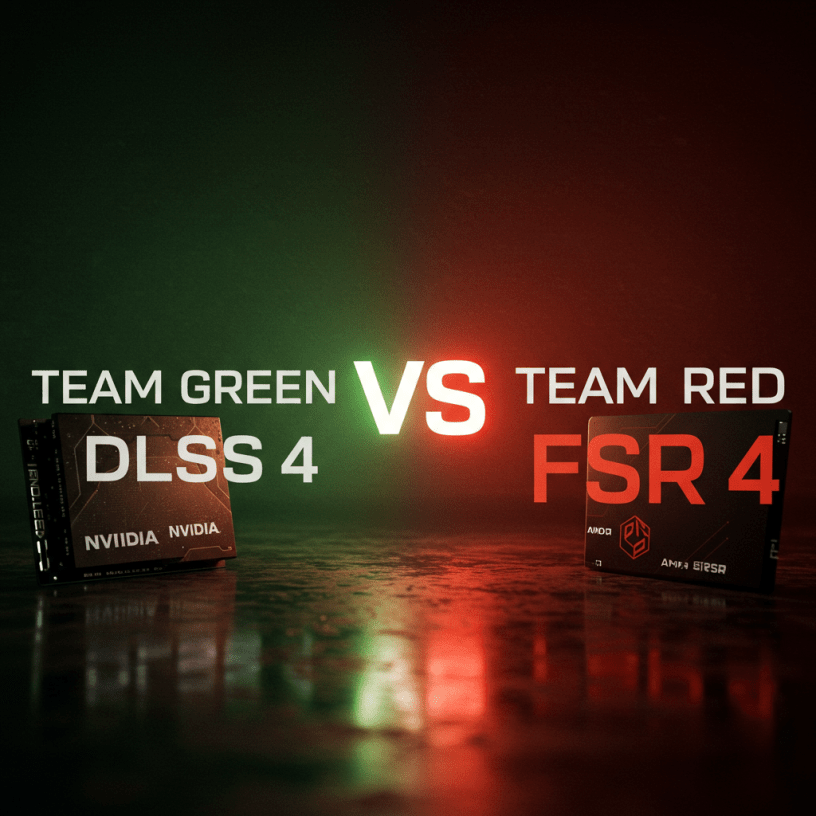
With the arrival of Nvidia’s 50-Series and AMD’s RX 90-Series graphics cards, gamers now have more choices than ever. Beyond just raw performance and value, the software aspect—DLSS (Deep Learning Super Sampling) and FSR (FidelityFX Super Resolution)—plays a crucial role in determining the best gaming experience. But which one is truly better for gamers?
Evaluating DLSS 4 and FSR 4
The recent release of the RTX 5070 and RX 9070 series has sparked debate over price versus performance. As mentioned in my previous blog post, going with Team Red (AMD) saves you about $150. But does that savings come with trade-offs in optimization and overall experience?
I’ve personally used an RTX 3070 for almost five years, and Nvidia’s software has always worked seamlessly without crashes or stuttering. This makes me hesitant to switch to a different ecosystem. I also own a ROG Ally, which is great for handheld gaming but struggles with lag when fully utilizing the AMD Z1 Extreme chip. While in-game performance is decent, extensive optimization is required to get the best experience. This raises concerns about software support and ease of use—something Nvidia has historically excelled at.
DLSS 4 vs. FSR 4: Which One Performs Better?
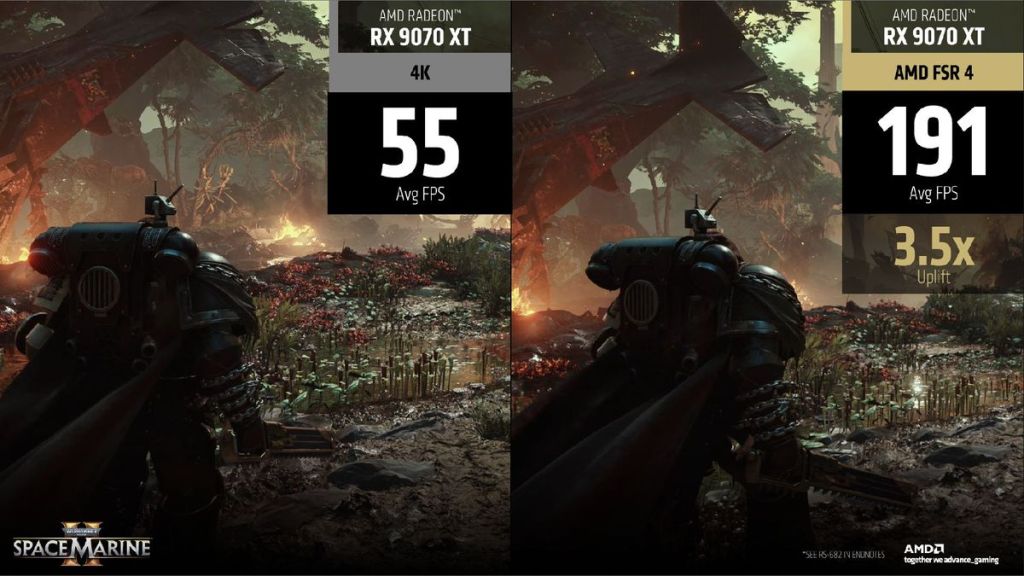
In terms of raw performance, DLSS 4 generally delivers better image quality, especially when ray tracing is enabled. The upscaling and frame generation technologies provide a crisper visual experience, making games look sharper with minimal performance loss. However, FSR 4 has made significant strides in improvement and is becoming a strong competitor, with many YouTube comparisons showcasing how close the two technologies are in real-world gaming scenarios.
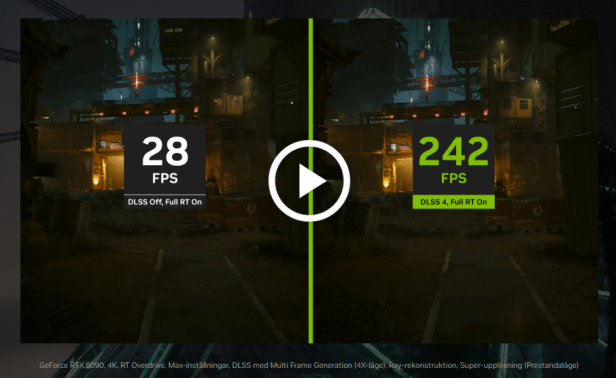
For gamers prioritizing performance over graphical fidelity, the RX 9070 XT remains an excellent choice. But for content creators who need seamless gameplay recording and easy-to-use software, Nvidia still holds an edge. Nvidia’s latest recording and screenshot tools make content creation more convenient, justifying the extra $150 investment for some users.
Which Card Should You Buy?
In the grand scheme of things, both DLSS 4 and FSR 4 offer similar performance benefits, making either choice viable. If you’re looking for the best value strictly for gaming, AMD’s RX 90-Series is the smarter pick. However, if you prioritize ease of use, software stability, and content creation tools, Nvidia remains the better option.
What GPU are you planning to buy? Share your thoughts on DLSS vs. FSR—what should gamers expect from these technologies?
 MaximusGames99