
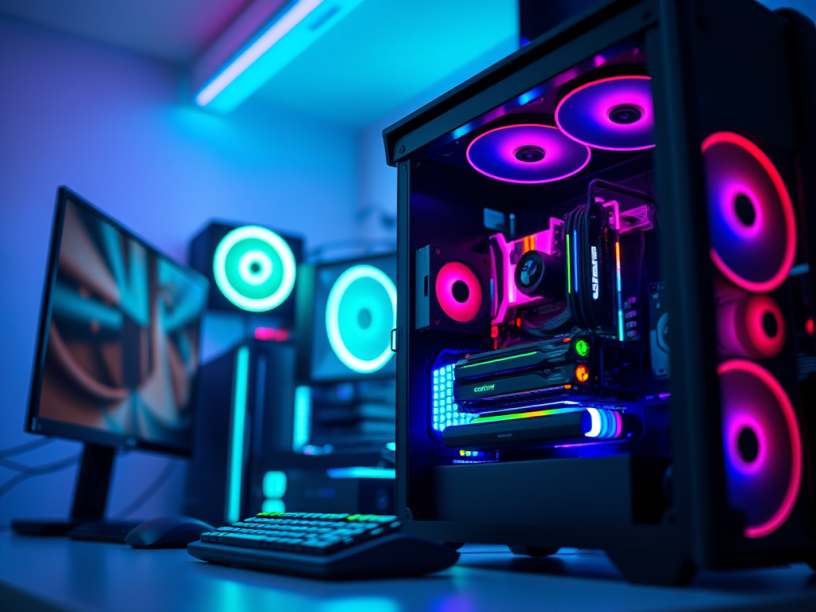
I built my custom PC back in 2020, carefully selecting each component to ensure a powerful and reliable gaming experience. Now, five years later, let’s break down how it holds up in 2025.
Specifications
Storage: Kingston A2000 1TB M.2 NVMe
Motherboard: MSI B550 GAMING CARBON WIFI
Case: Fractal Design Define 7 Compact Black TG
Cooling: Noctua NH-D15
Power Supply: Antec HCG Gold 850W
Graphics Card: MSI GeForce RTX 3070 8GB GAMING X TRIO
Processor: AMD Ryzen 9 3900XT 3.8GHz (70MB Cache)
Gaming Performance in 2025
The gaming landscape has evolved significantly over the past few years, with many high-demand titles released in 2024 and 2025. Thanks to Xbox Game Pass, I have access to many Day 1 titles, including Stalker 2: Heart of Chernobyl, Sniper Elite: Resistance, and Indiana Jones.
However, my PC has started to show its age with some of these newer releases. While Stalker 2 is playable, I experience occasional stuttering and struggle to maintain 60 FPS, even with DLSS enabled. It’s clear that modern games are pushing for more ray tracing and better CPU power.
For instance, Indiana Jones is expected to run decently on my system but is right on the edge of the recommended specs. Since Call of Duty: Modern Warfare 2022, I’ve had to lower my settings to High instead of Ultra to maintain a smooth online experience. Fortunately, games still look fantastic even at High settings.
On the bright side, I recently completed Spider-Man Remastered with all DLCs, and it ran flawlessly—no lag or delays, just smooth gameplay and stunning visuals. Looking ahead, I’m eager to try upcoming releases (as detailed in my blog post My Top 10 Anticipated Games. My biggest hope? That Crimson Desert runs well on my system since it’s my most anticipated game.

Longevity & Software Maintenance
This was my first custom-built PC, and I must say—it has held up impressively well. Over the years, I’ve upgraded it with additional storage and fans to improve airflow. I’ve avoided overclocking to extend its lifespan, and so far, I haven’t encountered any hardware failures.
For a system that cost me around €2000 in 2020, I am more than satisfied. It has consistently delivered excellent 1080p gaming performance, and while it was capable of 1440p back in the day, I never upgraded my monitor due to the high cost.
As we approach 2026, it’s evident that my CPU will be the first component to need an upgrade. Recent benchmark leaks for Nvidia’s 50-series GPUs suggest only a 10% performance improvement from the RTX 4080 to the RTX 5080, making it one of the smallest generational jumps in years. This is likely because high-refresh-rate 4K gaming still hasn’t become mainstream, and there’s little demand for 8K gaming. Nvidia seems to be focusing more on AI rather than pushing GPU power beyond what consumers currently need.
Upcoming Upgrades & Buying Strategy
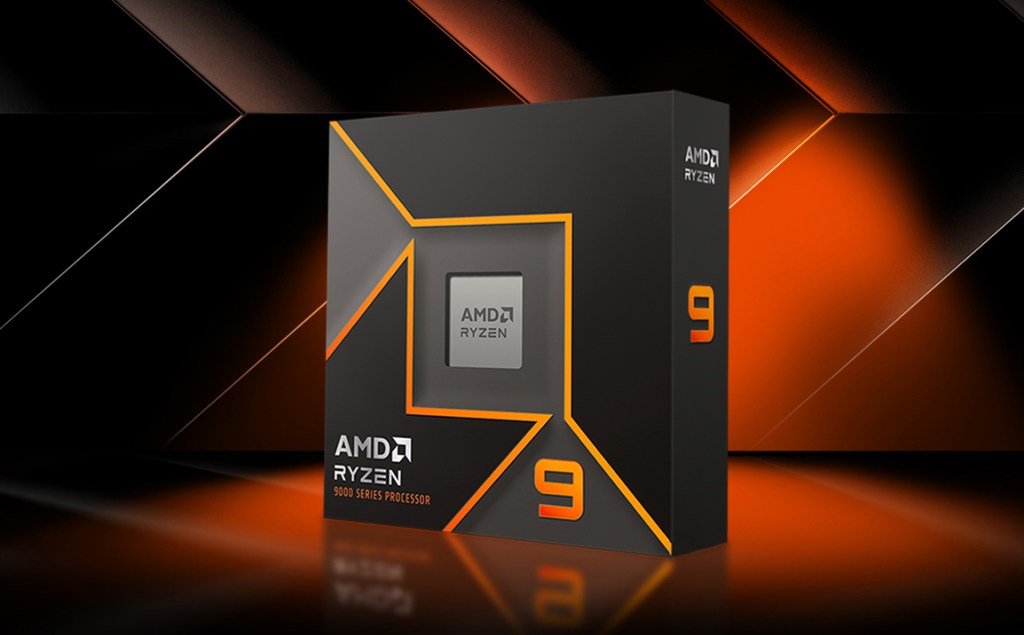
My next investment will be a new motherboard and CPU that supports AMD’s AM5 socket, specifically the Ryzen 9 9950X. While the 9800X3D is an excellent gaming CPU, I also want strong performance for video editing. The 9900X3D would be ideal, but it’s out of my budget, and I don’t require that much power.
Regarding GPUs, I’m taking a wait-and-see approach. The RTX 5070 Ti looks promising in terms of price-to-performance ratio, but we’ll need to see how it stacks up against AMD’s 7900 XTX. Additionally, AMD may bundle their new 9070XT GPUs with motherboards, potentially offering a great deal. With prices fluctuating, I’m hoping for a drop in GPU prices before making a decision.
Final Thoughts
Building this PC in 2020 was one of my best tech decisions. It has lasted well for 1080p gaming, and while new games are becoming more demanding, I can still play most titles with a few adjustments. Upgrading to a next-gen CPU will breathe new life into my system, and if GPU prices become reasonable, I’ll consider making the jump.
If you’re in a similar situation—rocking a 3000-series GPU and a Ryzen 3000 CPU—I’d recommend prioritizing a CPU upgrade first before deciding on a GPU.
 MaximusGames99