
How Good is the New RTX 50-Series Against the AMD RX 9070-Series?
The annual CES (Consumer Electronics Show) event is one of the most exciting times of the year for technology enthusiasts. CES 2025, held from January 7th to 11th, once again showcased groundbreaking innovations in consumer technology. While the event covers a wide range of devices, this post focuses on one of the most highly anticipated topics: graphics cards. If you’re wondering whether now is the right time to upgrade your GPU, read on as we dive into the highlights from Nvidia and AMD’s latest presentations.
Nvidia’s RTX 50-Series Presentation
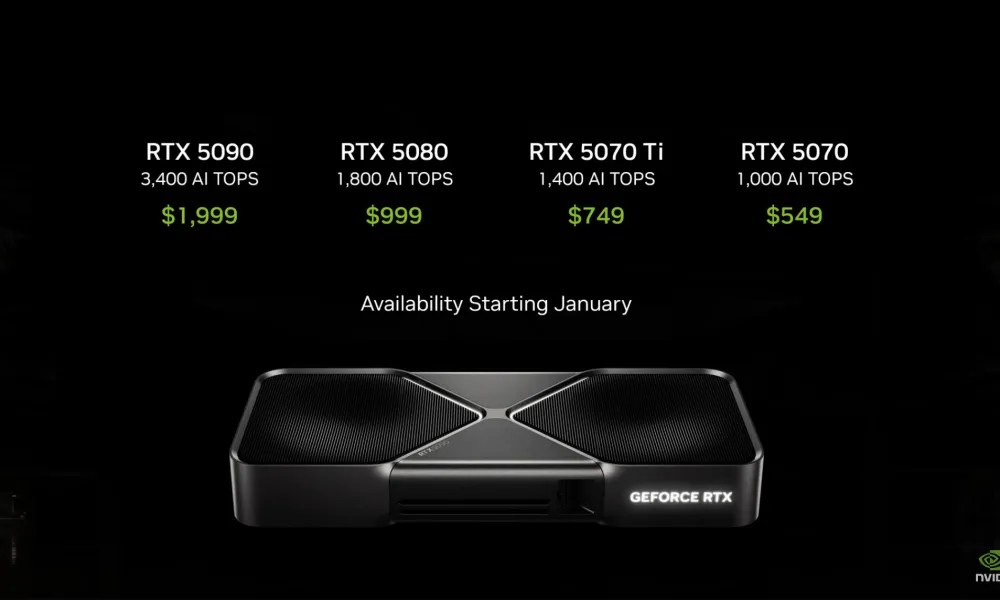
Nvidia unveiled its RTX 50-Series graphics cards, showcasing four new models: the RTX 5070, 5070 Ti, 5080, and 5090. Each card boasts significant performance improvements compared to their predecessors. The standout claim from Nvidia CEO Jensen Huang was that the RTX 5070 matches the performance of the previous generation’s RTX 4090—all for just $549, compared to the 4090’s $1,599 price tag.
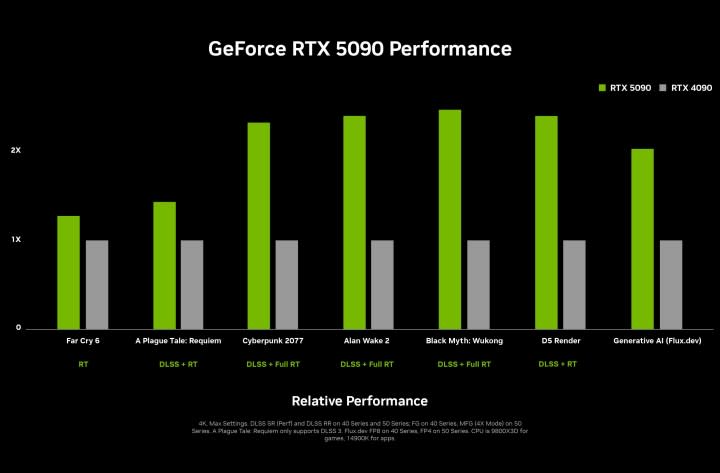
But how true is this claim? It’s partially accurate. The RTX 5070 achieves comparable performance in games leveraging DLSS (Deep Learning Super Sampling) technology. By adding an extra frame for AI upscaling, it delivers impressive results for a fraction of the cost. However, raw performance—performance without upscaling—is another story. The RTX 4090 still holds the edge in pure hardware power.
Here’s an example:
- DLSS Performance: The RTX 5090 outpaces the 4090 in AI-boosted framerates.
- Raw Performance: Without DLSS, the RTX 5090 achieves only a 30% improvement over the 4090, offering 28 FPS in Cyberpunk 2077 at 4K resolution compared to the 4090’s 20 FPS.
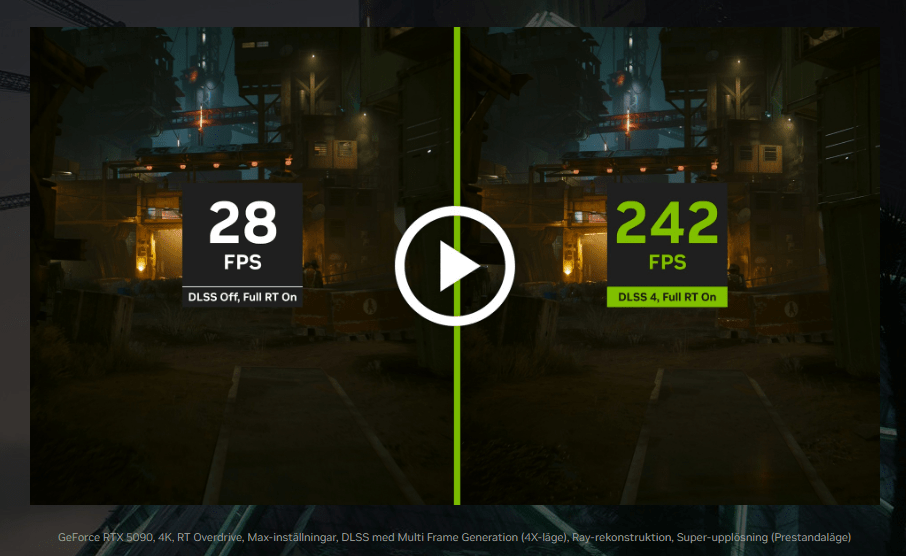
This disparity highlights the growing importance of upscaling technologies like DLSS and AMD’s FSR (FidelityFX Super Resolution). These tools are critical for delivering smooth gaming experiences in poorly optimized games or at ultra-high resolutions.
Pricing Overview
The RTX 50-Series also shines in terms of pricing:
- RTX 5070: $549
- RTX 5070 Ti: $649 (featuring 16 GB VRAM for higher resolution gaming)
- RTX 5080 and 5090: Higher raw performance at proportionally higher prices
For value-conscious gamers, the 5070 Ti stands out as an excellent choice, offering ample VRAM for 4K and QHD gaming. Personally, I aim to upgrade to this model for my gaming setup in the near future.
AMD’s RX 9070-Series Presentation
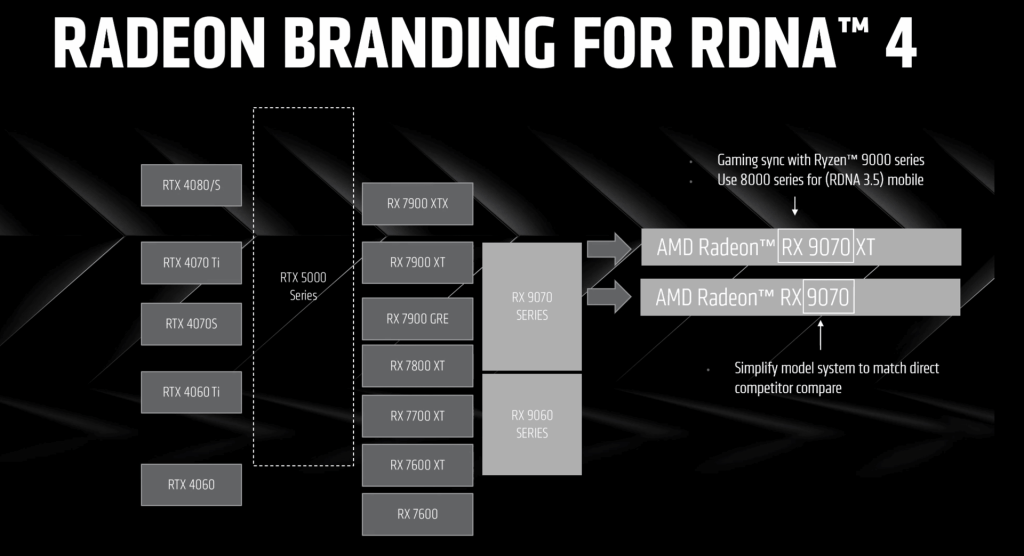
AMD also took the stage to reveal their next-generation graphics cards: the RX 9070 and RX 9070 XT. Interestingly, AMD has rebranded its lineup, departing from the RX 7000-series naming convention. While the reasoning behind this rebranding isn’t entirely clear, it’s likely an attempt to boost sales after their previous generation underperformed against Nvidia’s dominance.
Performance Insights
AMD’s presentation provided only limited performance data for the RX 9070-Series. They emphasized price-to-performance value, showcasing how these cards stack up against Nvidia’s older and newer models. AMD continues to lead in frames-per-dollar metrics, offering a compelling alternative for budget-conscious consumers.
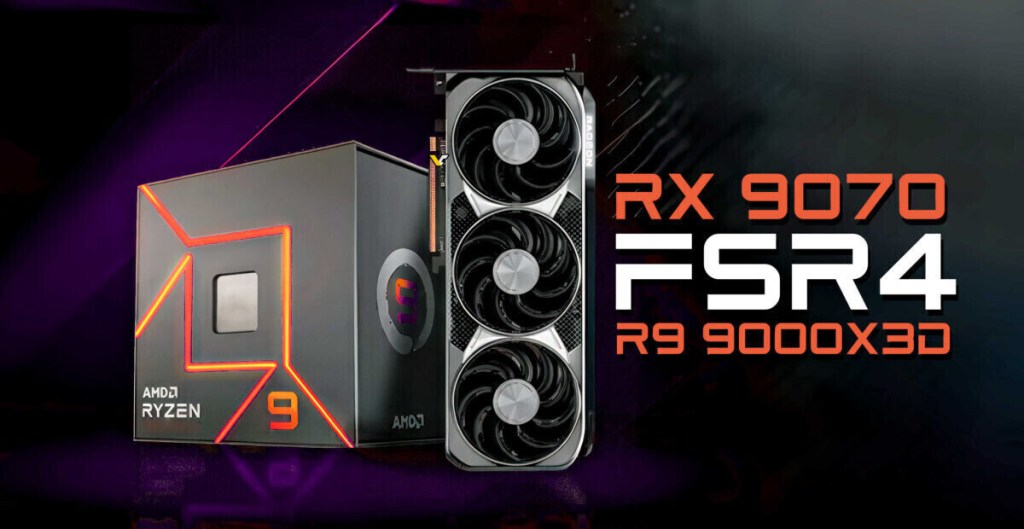
One of AMD’s key innovations is FSR 4, an upscaling technology similar to Nvidia’s DLSS. By leveraging FSR, AMD aims to close the performance gap while keeping prices competitive. However, it remains to be seen how well this strategy will resonate with gamers.
Bundled Deals
A noteworthy aspect of AMD’s strategy is bundling their RX 9070 graphics cards with their latest Ryzen processors. This approach could attract consumers looking for cost-effective PC upgrades, as bundling offers better overall value. Time will tell if this strategy helps AMD reclaim market share.
Conclusion: The Battle Between Giants
Both Nvidia and AMD have taken bold steps with their latest graphics card releases. Nvidia’s RTX 50-Series excels in leveraging DLSS technology for exceptional performance at lower price points, while AMD’s RX 9070-Series focuses on affordability and innovative bundling strategies.
As a gamer with an RTX 3070 and AMD Ryzen 3900XT, my current setup still performs admirably. However, the 5070 Ti’s mix of price, performance, and VRAM makes it a tempting upgrade. For AMD, success hinges on the effectiveness of FSR 4 and their bundling deals. If they execute well, they could offer a serious challenge to Nvidia in the mid-tier market.
Ultimately, the decision to upgrade depends on your priorities: raw performance, upscaling technologies, or overall value. Which GPU would you choose for your next upgrade? Let us know in the comments below!
 MaximusGames99